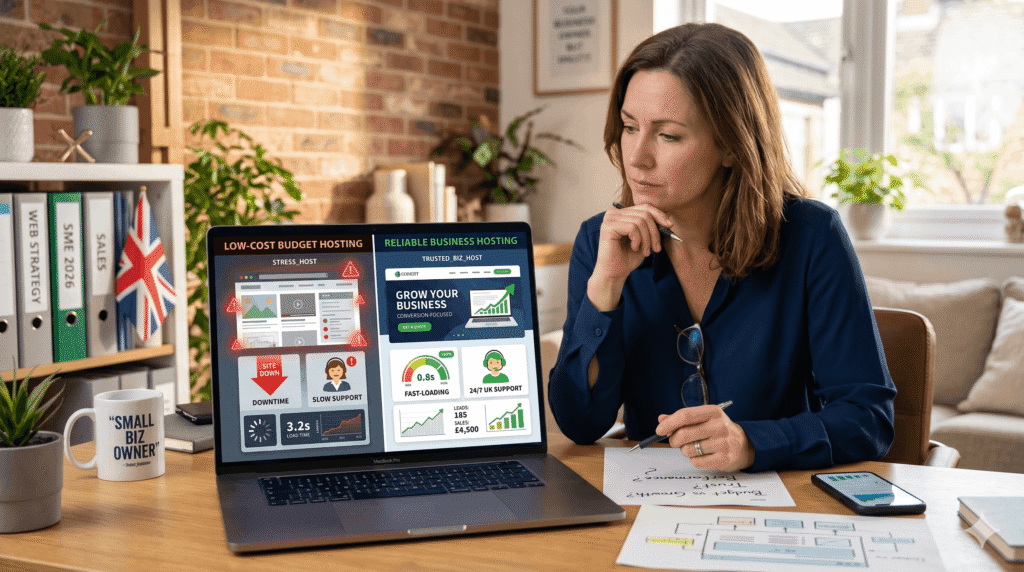

You can spend money fast on both platforms, but the real question is not which one is cheaper—it is which one is quietly draining your budget without giving enough back. In paid social media advertising, the winning platform is not always the one with the biggest reach; it is the one that matches your goal, your audience, and your offer.
Why This Debate Matters
Business owners often ask whether facebook ads or google ads work better, but the answer depends on intent.
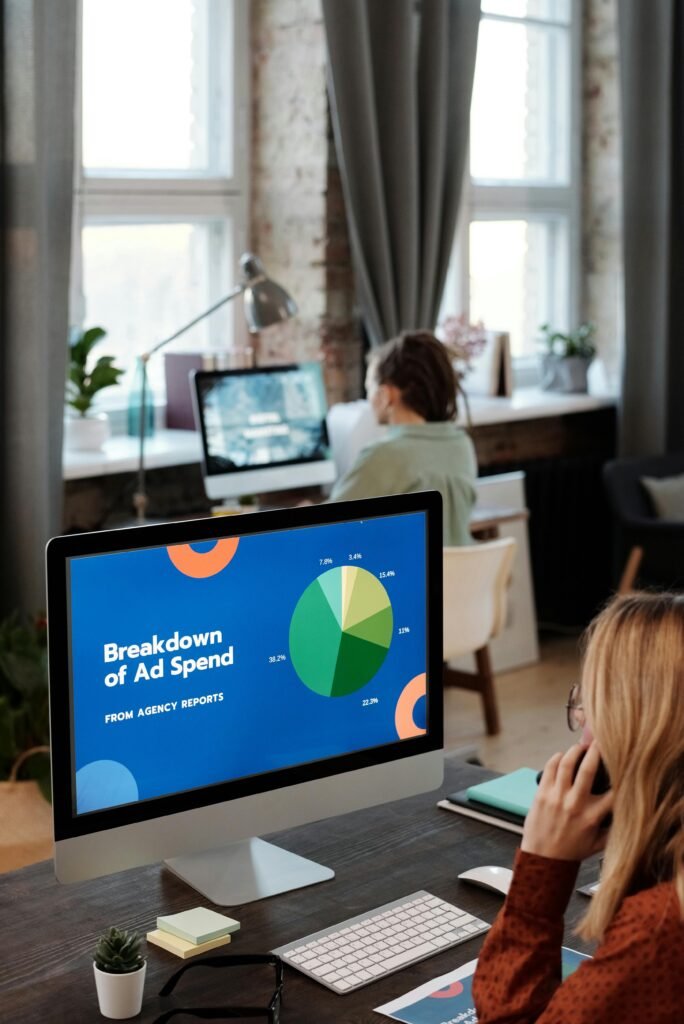
Someone scrolling through Facebook is usually not searching for your product yet, while someone typing into Google is often ready to solve a problem right now.
That difference changes everything in paid social media advertising. Facebook or Google ads can both work, but they behave like two very different salespeople: one creates demand, the other captures it.
What Facebook Ads Really Do
facebook ads are powerful when you want to interrupt attention and create interest.
They are especially effective for visual offers, impulse buys, local services, retargeting, and audience-building. If your product needs trust, education, or repeated exposure, Facebook can be a strong fit.
The strength of paid social media advertising on Facebook is targeting. You can aim by interests, behaviors, demographics, lookalikes, and custom audiences.
That makes it easier to reach people who resemble your ideal customer, even before they start searching.
Where Facebook Ads Waste Budget
Facebook becomes expensive when the offer is weak, the creative is boring, or the funnel is unclear.
Many advertisers burn money because they expect cold audiences to buy instantly. That rarely happens without a strong hook, a clear landing page, and a follow-up system.
Another budget leak comes from poor tracking. If conversion events are not set up correctly, facebook ads may appear to be underperforming even when they are actually driving value.
In paid social media advertising, bad data often causes worse decisions than bad ads.
What Google Ads Really Do
google ads are built for intent. People are already searching for a solution, which means the traffic can be highly valuable if your service matches their needs.
For search-driven businesses like legal services, home repairs, local agencies, and urgent solutions, Google often captures demand better than social platforms.
That is why many marketers treat Google as a lower-funnel channel in paid social media advertising strategy discussions, even though Google is technically search-based and not social.
It is often where buyers show up when they are closest to action.
Where Google Ads Waste Budget
Google can become a money pit when keyword intent is too broad, match types are loose, or landing pages are weak.
You may get clicks from people who are curious, not ready. You may also pay for searches that are related to your service but not profitable for your business.
Another issue is competition. In some industries, google ads CPCs are so high that small businesses feel squeezed out.
If the economics do not work, the platform can look brilliant in traffic reports and terrible in revenue.
Facebook or Google Ads
The real question is not facebook or google ads in isolation. The better question is: where is your buyer in the journey?
Use this simple rule:
- Choose Facebook when you need awareness, demand generation, retargeting, or visual storytelling.
- Choose Google when you need high-intent traffic, leads, bookings, or urgent search demand.
For many brands, the best answer is both. Facebook creates attention, while Google captures people once they are ready to act.
In paid social media advertising, the combination often outperforms choosing only one platform.
Which Platform Exploits Budget Faster
If your offer is unproven, facebook ads can burn money quickly because cold audiences are not always ready to buy. You may pay for reach, clicks, and engagement without enough conversions.
That makes the platform feel cheap at first and expensive later.
If your keywords are broad or competitive, google ads can also destroy budget fast.
One expensive click from the wrong search term can eat a meaningful chunk of your daily spend. In that sense, both platforms can exploit your budget if strategy is weak.
The Hidden Cost
The hidden cost is not the ad platform itself. It is poor structure. Bad targeting, weak creative, messy landing pages, and no follow-up system are what really waste money in paid social media advertising.
A useful example: a coaching business might get cheaper clicks from Facebook, but a law firm might get stronger leads from Google.
The cheapest traffic is not always the best traffic. What matters is cost per qualified lead and cost per sale.
People Also Ask
Are Facebook ads better than Google ads?
Neither is always better. Facebook works well for discovery and retargeting, while Google works well for high-intent search traffic.
Which platform is cheaper, Facebook ads or Google ads?
Facebook often has cheaper clicks, but Google can produce better purchase intent. Cheaper clicks do not always mean cheaper customers.
Should small businesses use Facebook or Google ads?
Small businesses should use the platform that matches customer intent. Many businesses benefit from testing both and then scaling the one with better conversion quality.
Do Google ads work better for local businesses?
Often yes, especially when people search for urgent or location-based services. But Facebook can also work well for local awareness, promotions, and remarketing.
How To Stop Wasting Budget
Start with the customer, not the channel. In paid social media advertising, the right platform depends on whether you are trying to create demand or capture it. That one decision can save you a lot of budget.
Then build a simple testing system:
- Test one clear offer.
- Use separate campaigns for cold traffic and retargeting.
- Track leads, not just clicks.
- Review search terms or audience quality weekly.
- Kill weak ads fast and scale winners slowly.
If you want solid proof of ad effectiveness and channel behavior, one helpful external reference is the IAB Internet Advertising Revenue Report, which tracks how digital ad spending continues to evolve across platforms.
FAQ’s on Facebook and Google Ads –
1. Which is better: Facebook ads or Google ads?
Neither is always better. facebook ads work well for awareness and interest-based targeting, while google ads are stronger for people who are actively searching for a solution.
2. Are Facebook ads cheaper than Google ads?
Facebook ads often have lower click costs, but that does not always mean lower overall cost. Google ads may cost more per click, but they can bring in higher-intent leads.
3. Can small businesses use both Facebook ads and Google ads?
Yes, and many small businesses do. A common approach is using Facebook for discovery and retargeting, then Google for capturing ready-to-buy search traffic.
4. Why are my ads spending money but not converting?
This usually happens because of weak targeting, poor ad creative, a confusing landing page, or tracking issues. The platform is often not the real problem.
5. Should I start with Facebook ads or Google ads first?
Start with the platform that matches your customer’s buying behavior. If people search for your service, Google may be better first; if they need to be introduced to your offer, Facebook may be the smarter starting point.
Lastly,
facebook ads and google ads are not budget villains by default, but they can absolutely waste money when used without a clear plan.
The smarter move in paid social media advertising is to match the platform to the buying stage, then optimize relentlessly for qualified leads and real sales.
If you are a small business owner and want paid advertising that actually grows your revenue instead of draining it, reach out for a paid advertising solution built for your small business.